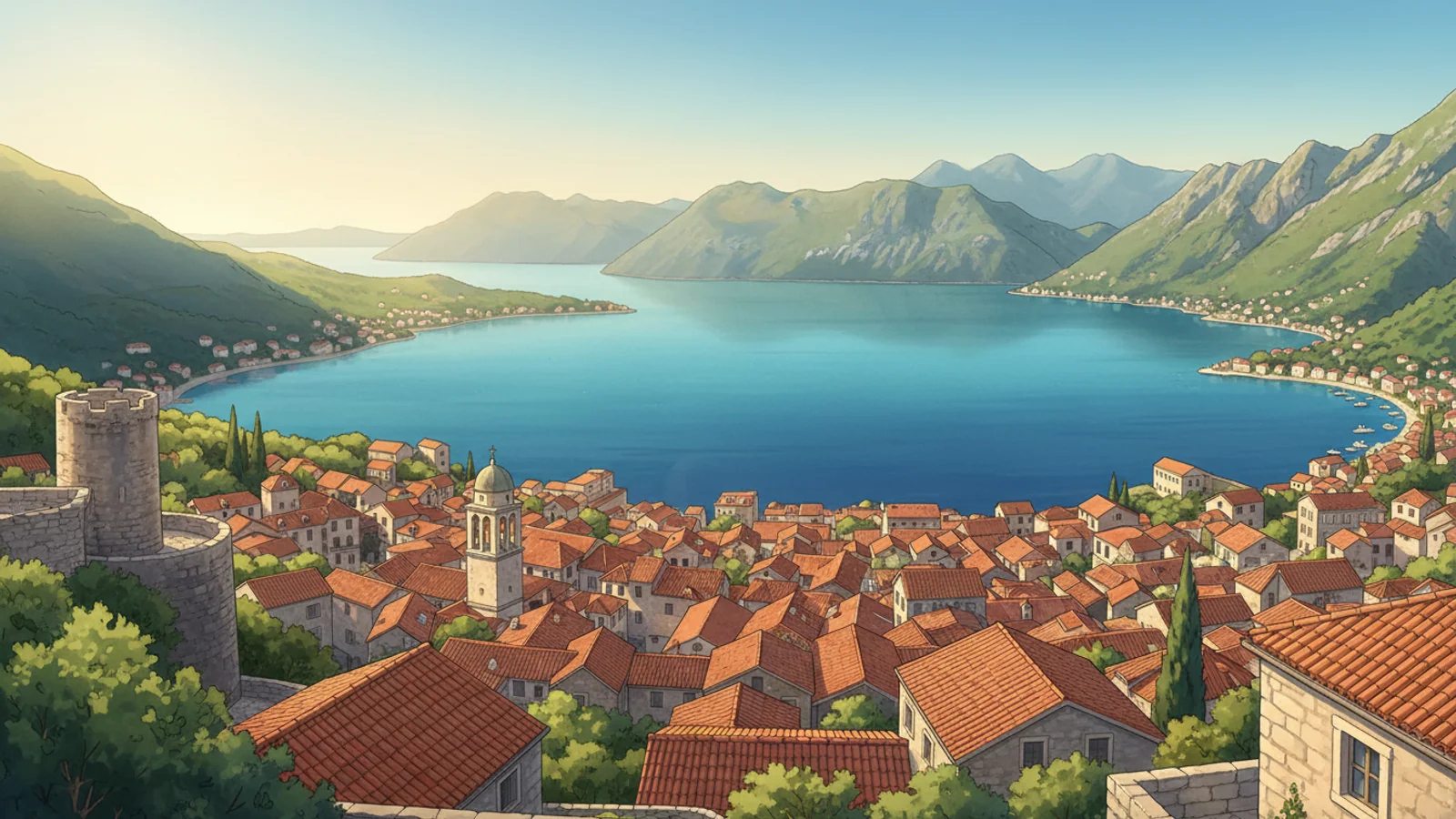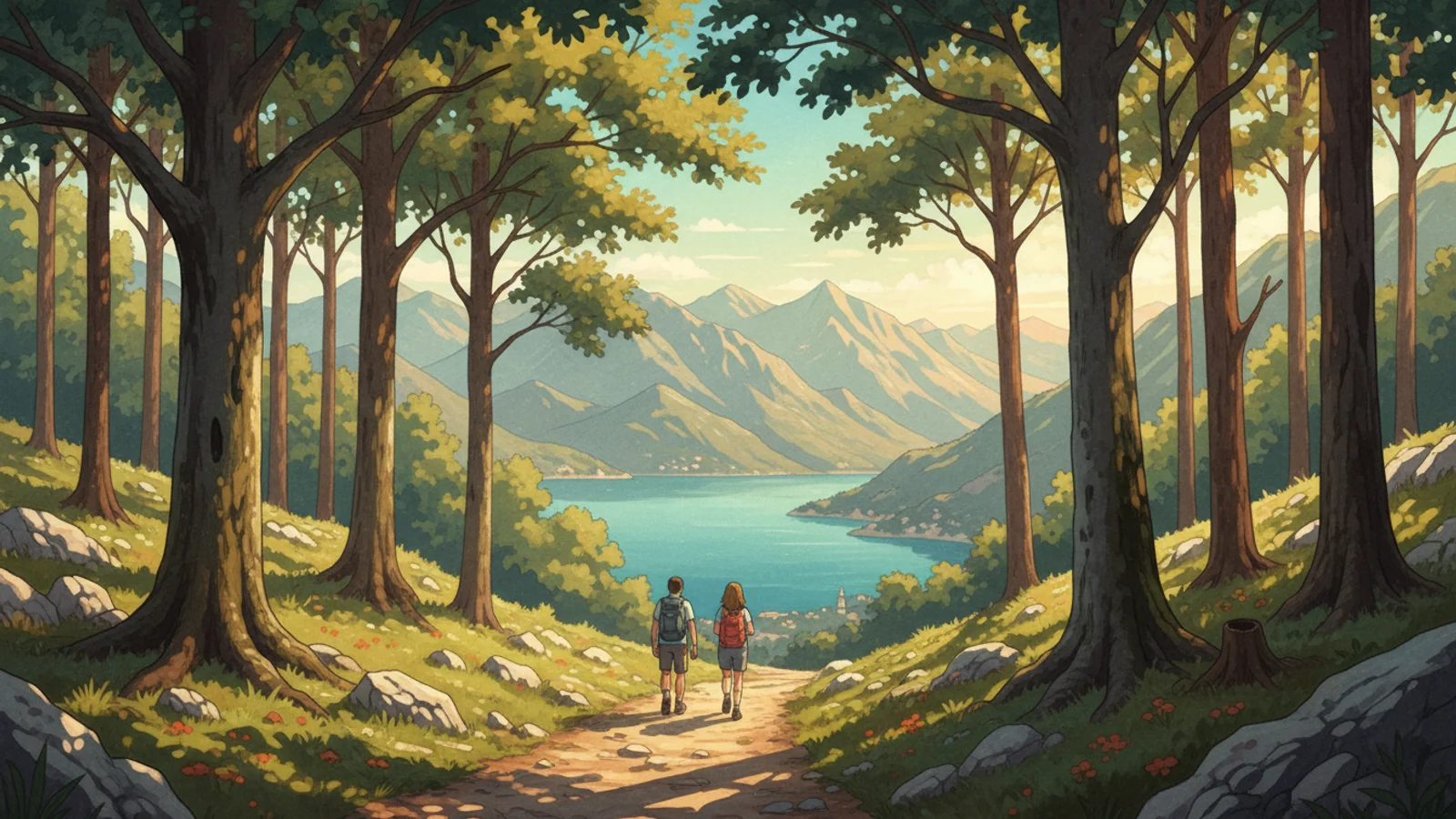
Orjen Nature Park, towering above Montenegro's Adriatic coast, boasts over 30 marked trails, yet only a few are suitable for leisurely walks without special preparation. Orjen is often associated with conquering peaks like Veliki kabao (1894 m), but its true beauty is also accessible to those who prefer easier routes. For a first introduction to this majestic karst massif, trails that don't require mountaineering equipment, such as Vrbanj–Trešnja and Vrbanj–Begova munika, are ideal. These routes allow you to enjoy pristine nature, panoramic views, and unique flora without exhausting exertion. It's crucial to choose your path wisely, considering your fitness level and weather conditions, and to remember the necessity of carrying water, as Orjen is a waterless massif. Even without conquering the highest points, you can experience the power and beauty of this place through picturesque and accessible walks.
Orjen: More Than Just Mountains
Orjen Nature Park, rising above the Adriatic coast, is often associated with rugged mountain ascents. However, its beauty and accessibility extend beyond extreme routes. For a first introduction, Orjen offers numerous opportunities for leisurely walks, allowing visitors to enjoy panoramas and Mediterranean nature without special preparation.
Orjen is not just a collection of peaks, but a complex ecosystem where cliffs meet lush vegetation, and ancient trails lead to hidden corners. The nature park features over 30 marked trails. While some are designed for serious treks, a significant portion of the routes is suitable for casual tourists.
A first visit to Orjen can be memorable if approached with the right mindset. Instead of aiming to conquer the highest peaks, such as Veliki kabao (1894 m), which demand endurance and experience, it's worth focusing on more accessible trails.
Respect for Orjen Nature Park is a key aspect of any visit. As a waterless karst massif, Orjen requires visitors to be mindful. Always carry an adequate supply of water, as sources are rare along the trails.
Distinguishing Between a Walk and Mountain Trekking
Understanding the difference between a walk and mountain trekking is crucial for planning a visit to Orjen. A walk implies an easy route on a well-marked trail, requiring no special equipment beyond comfortable footwear and sufficient water.
Mountain trekking, in contrast, represents a more serious challenge. It involves long distances, significant elevation changes, and sometimes sections with technically difficult terrain, requiring a certain level of physical fitness, experience, and specialized equipment.
The choice between walking and trekking should be based on several factors: participants' physical condition, weather conditions, and the availability of necessary equipment. For a first visit to Orjen, especially if the goal is relaxation and enjoying nature without extreme exertion, it is preferable to choose walking routes.
Weather plays a decisive role in determining the nature of mountain activities. Even a light walk can become a challenge with sudden changes in weather conditions, such as strong winds, rain, or fog. Always check the weather forecast before heading out and be prepared for changes, especially in the mountains where conditions can shift rapidly.
Vrbanj: A Starting Point for Easy Routes
The village of Vrbanj, located in the heart of Orjen Nature Park, serves as a starting point for those seeking easy and scenic walks. This location acts as a gateway to the world of Orjen, offering access to several routes officially described as suitable for walks and not requiring special preparation.
Among the recommended walking routes from Vrbanj are the Vrbanj–Trešnja and Vrbanj–Begova munika trails. These routes are specifically designed to provide visitors with the opportunity to enjoy the beauty of Orjen without excessive physical exertion.
The choice of a specific route from Vrbanj may depend on the time of year and current weather conditions. In warmer months, it is preferable to choose trails that pass through forested areas, which provide shade and coolness. In cooler weather, more open sections can be explored to enjoy the sunshine and panoramic views.
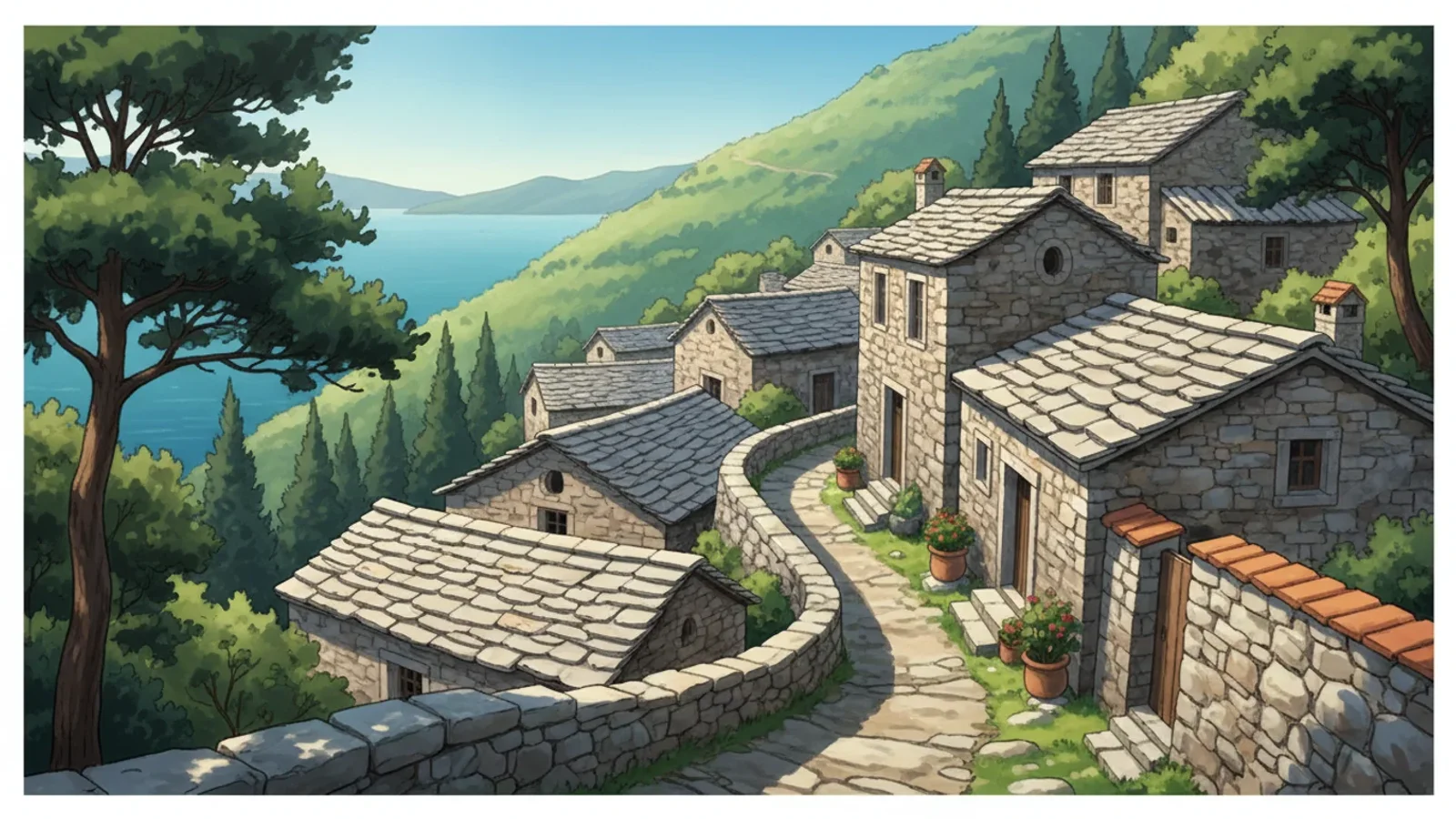
Walks from Vrbanj are not only an opportunity to enjoy nature but also a chance to get acquainted with the region's cultural heritage. Many trails pass by old shepherd's huts, stone fences, and other remnants of traditional life. This adds a special charm to the walks and allows for a deeper understanding of the history and culture of these places.
Vrbanj–Trešnja and Vrbanj–Begova munika Trails: Your Choice for an Introduction
For a first introduction to Orjen Nature Park, without strenuous climbs, the Vrbanj–Trešnja and Vrbanj–Begova munika routes are suitable choices. These trails are officially described as appropriate for walks, unlike the more demanding mountain routes to peaks such as Veliki kabao.
The Vrbanj–Trešnja route passes through landscapes characteristic of Orjen, where you can observe a variety of Mediterranean vegetation. This offers an opportunity for a leisurely introduction to the park's flora, breathing in the mountain air and enjoying panoramic views from relatively low altitudes.
The Vrbanj–Begova munika trail offers a different experience. It leads to Bosnian pines (Pinus heldreichii), Balkan endemics that lend a particular ruggedness to the landscape. A walk along this trail is not only physical activity but also an opportunity to connect with a unique ecosystem, studying ancient trees that have stood on these slopes for centuries.
When choosing between these two routes, consider personal preferences: Trešnja will offer more open panoramas, while Begova munika provides immersion in forested areas with pines. Both routes start from Vrbanj, making them easily accessible for planning a day trip.
The Water Question: Why Orjen Requires Water Supplies
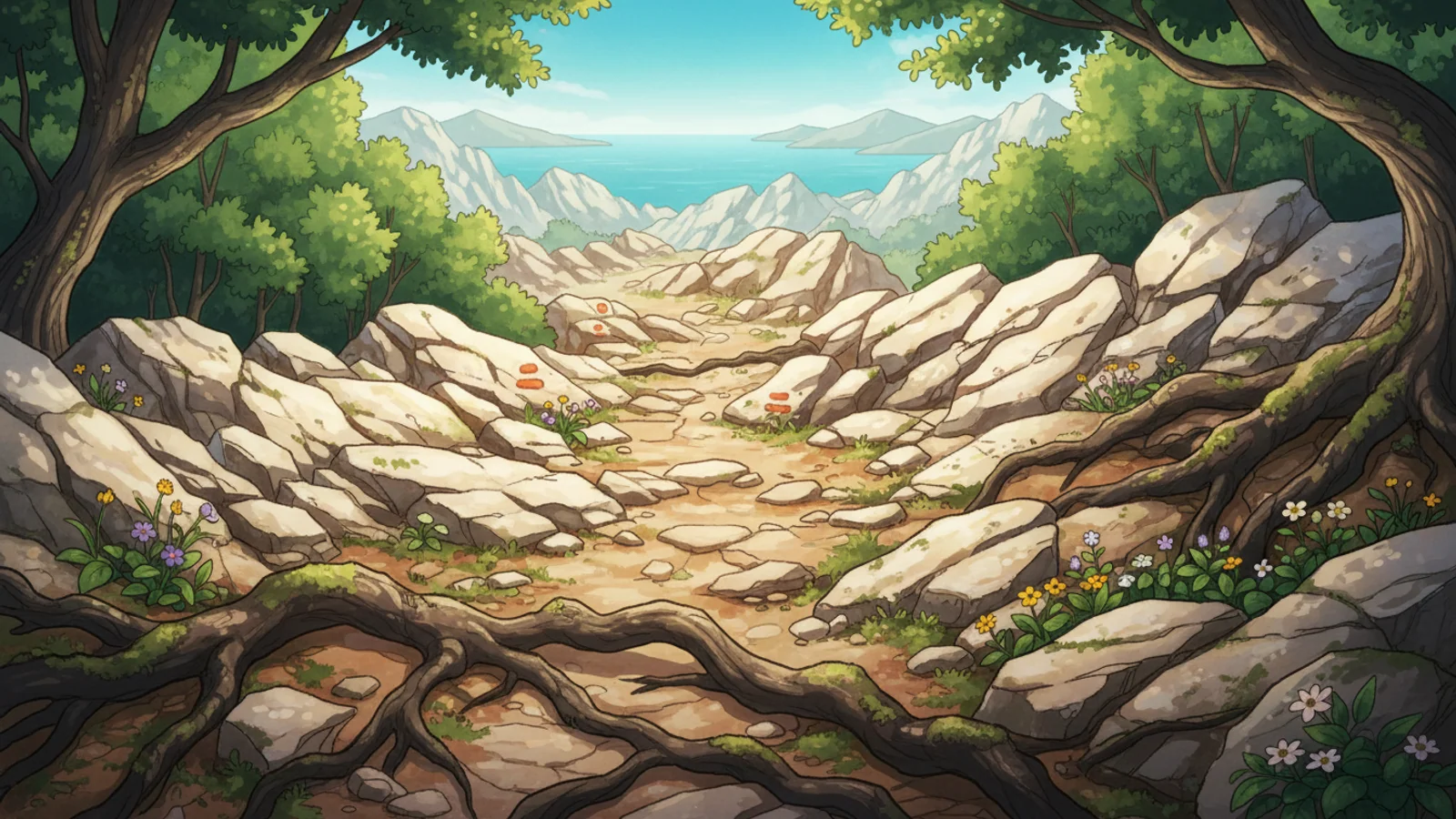
Orjen is a karst massif, which is fundamentally important for any traveler. Karst is a landscape formed by the dissolution of soluble rocks, such as limestone, by water. The main feature of such terrain is the almost complete absence of surface water bodies: rivers and streams flow underground.
This is why planning a walk in Orjen should always begin with an adequate calculation and supply of water. Insufficient fluid intake during physical activity, especially in warm weather, can lead to dehydration, which is dangerous in mountainous terrain.
Imagine the situation: you're enjoying the views, the sun is beating down, and suddenly you find your bottle empty, with several kilometers still to go to the nearest settlement. In Orjen, such a situation can become a serious problem. Therefore, each group member should carry a sufficient amount of water, based on individual needs, the duration of the route, and weather conditions.
In addition to water, consider other hydration methods, such as isotonic drinks or fruits with high water content. This will help maintain the body's water-salt balance. Study the map and route information in advance to ensure there are no water sources along the way.
Mountain Weather: How to Choose the Ideal Time for a Walk
Mountain weather, especially in a massif like Orjen, is characterized by unpredictability and rapid changes. Even if the morning seems clear, by midday the situation can change: fog may roll in, rain may start, or strong winds may pick up. This is not just discomfort but also a potential safety threat, especially for those without experience in mountain tourism.
Before heading out, it's important to check the current mountain weather forecast, not just for coastal areas. Mountain weather stations or specialized websites can provide more accurate information. Pay attention not only to temperature and precipitation probability but also to wind speed, which can be significantly higher in the mountains than at lower altitudes and affect the perceived cold.
Even in summer months, Orjen can experience sudden cold snaps or thunderstorms. Therefore, it is always recommended to carry a light windproof and waterproof jacket, even if the forecast promises sun. Layered clothing allows you to adapt to changing conditions: remove layers when ascending and put them on when stopping or if the weather deteriorates.
The best time for walks in Orjen, especially for a first visit, is typically spring (May-June) and early autumn (September-October), when temperatures are most comfortable, and the likelihood of sudden weather changes is lower than in summer with its thunderstorms or winter with snow.
Trail Markings: Your Reliable Guide in Orjen
Orjen Nature Park offers over thirty marked trails of varying difficulty. This navigation system is designed for visitor safety and ecosystem preservation. For a first introduction to Orjen and easy walks, it's important to pay attention to the color and shape of the markings.
Distinguish between walking trails and mountain trekking routes. Walking trails, such as Vrbanj–Trešnja and Vrbanj–Begova munika, are officially described as suitable for walks. They are well-marked, have even terrain, and do not require special equipment. Markings on such trails are frequent and noticeable.
Following the markings ensures safety and respect for nature. Deviating from trails damages vegetation, disrupts animal habitats, and causes soil erosion. Orjen is a waterless karst massif, and many areas are sensitive to impact.
Before setting out, study the park map and the description of your chosen trail. Information on length, elevation gain, and estimated time will help assess your capabilities. Even on easy routes, uneven terrain can be encountered, so pay close attention to the markings. If in doubt, it's better to turn back or consult park staff or guides to avoid getting lost, especially in changeable mountain weather.
Respecting the Nature Park: Rules of Conduct
Visiting Orjen Nature Park is a responsibility. Respect for nature begins with understanding that we are temporary guests here. The main principle is “Leave No Trace.” Everything you bring in, take out. Litter, even organic, should not be left on trails, as it harms animals and disrupts the ecosystem.
Orjen is home to many plants and animals, many of which are endemic or endangered. Avoid collecting plants, flowers, or mushrooms. Take photos, but do not pick. Observe animals from a distance; do not feed or disturb them. Loud behavior and loud music frighten wild inhabitants and disrupt their natural behavior, especially during nesting or breeding seasons.
Orjen is a waterless karst massif; water is a precious resource here. Do not waste it. Lighting fires in the park is strictly prohibited, especially during dry periods, due to the high risk of wildfires. An unextinguished cigarette butt can lead to disaster.
Respect for the park is demonstrated by following administrative rules. Stay only on marked trails, avoid creating new ones to prevent soil erosion. Observe silence in quiet zones for animals. If you have pets, keep them on a leash so they do not disturb wildlife or other visitors.
What to Bring: Essential Items for an Easy Walk
Even for an easy walk in Orjen, preparation is important. Water is paramount. Orjen is a waterless karst massif; natural water sources are absent on most routes. Bring enough drinking water, calculating the volume based on the duration of the walk, weather, and your needs. It's better to bring more than to face dehydration.
Footwear is the foundation of a comfortable and safe walk. For easy routes, such as Vrbanj–Trešnja or Vrbanj–Begova munika, comfortable sneakers with good cushioning and non-slip soles are suitable. Avoid flat-soled or open-toed shoes, as the terrain can be uneven. Footwear should be broken in.
Mountain weather is changeable. Always have a light windbreaker or rain jacket in your backpack, as well as a hat for sun protection. Sunscreen and sunglasses are advisable, as UV radiation is more intense in the mountains. A small backpack will allow you to conveniently carry water, snacks (bars, fruit), a first-aid kit (plasters, antiseptic, pain relievers), and other small items, leaving your hands free.
In addition to essential gear, don't forget communication devices. A fully charged mobile phone is useful in unforeseen situations, but don't rely on it completely, as coverage can be unstable. A park map (paper or on your phone) and a compass will add confidence.
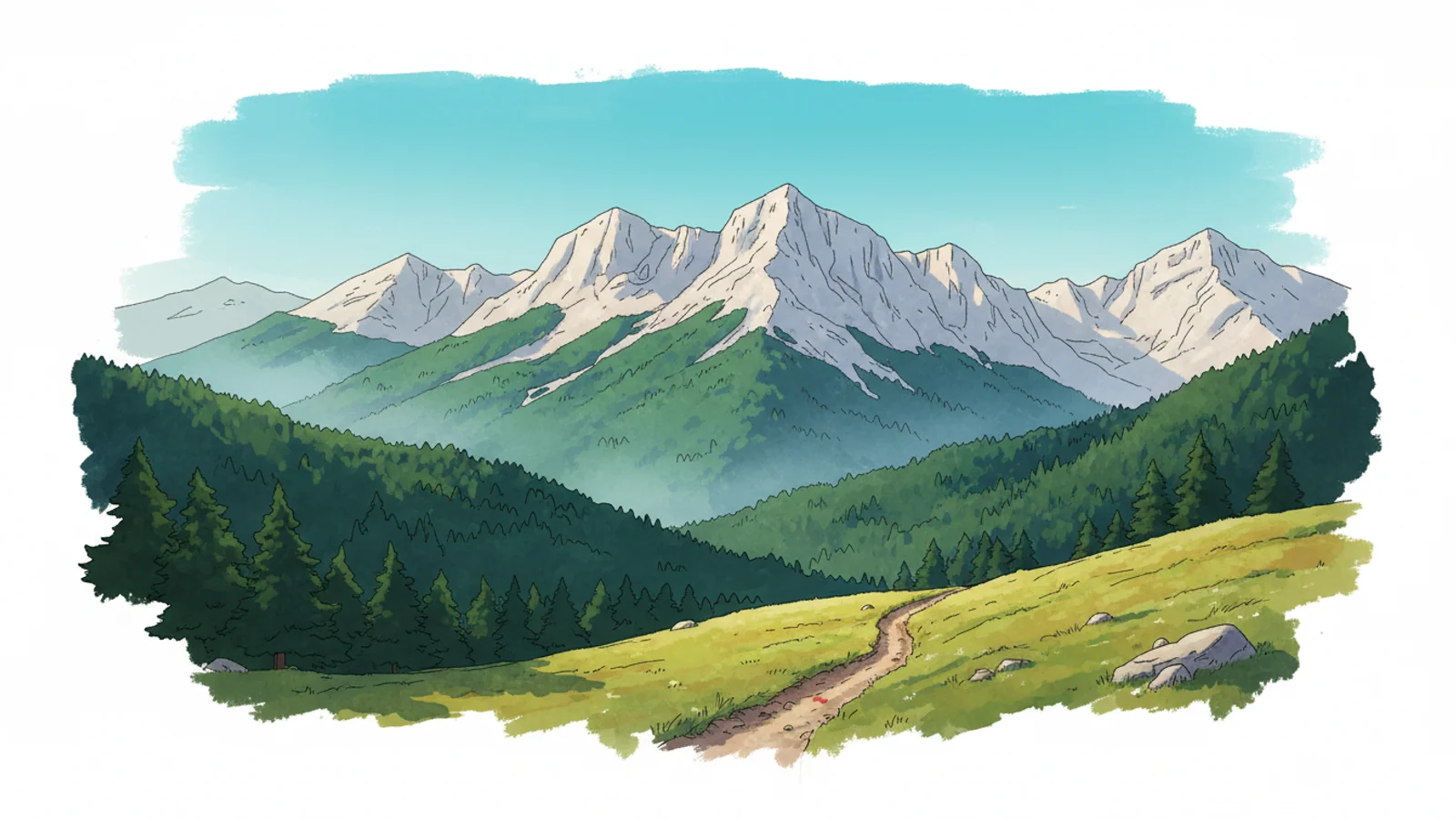
Veliki kabao: A Peak for the Experienced, Not for a First Visit
When first exploring Orjen Nature Park, it's important to distinguish between easy walks and serious mountain ascents. Veliki kabao peak, reaching 1894 meters, is one of the highest points of the massif and attracts with its panoramic views.
For beginners or those who prefer moderate exertion, attempting to conquer Veliki kabao can lead to disappointment and potential danger. Routes to such peaks often traverse rocky, steep slopes, requiring navigation skills and readiness for sudden weather changes.
Orjen offers over 30 marked trails, and this variety allows everyone to find a route suitable for their abilities. If your goal is to enjoy the beauty of the mountains, take picturesque photos, and spend time outdoors without risk or overexertion, focus on routes officially classified as walking trails.
Choosing a route that matches your fitness level is key to having a positive experience visiting Orjen. There's no need to succumb to the temptation of immediately conquering the highest points if you are not physically and mentally prepared for it.
Flora and Fauna of Orjen: What You Can See on a Walk
Orjen Nature Park, despite its karst nature, boasts biodiversity that is revealed even on easy walking routes. Endemic plant species adapted to harsh mountain conditions, as well as representatives of Mediterranean and alpine flora, can be found here.
Special attention should be paid to the relict forests of black pine (Pinus nigra), one of Orjen's hallmarks. These mighty trees, capable of surviving on rocky soils, create a special atmosphere and serve as home to many animal species.
Orjen's fauna is also rich, although many animals lead a secretive life. During a walk, you might hear birds singing, see lizards basking on rocks, or notice traces of wild animals. Chamois, wild boar, and various species of birds of prey soaring in the sky inhabit this area.
For those interested in botany and zoology, walks in Orjen will be a discovery. Even without deep knowledge, one can enjoy the beauty and diversity of nature, observing plant and animal life. It is recommended to bring binoculars to better observe birds or landscape details, and to identify plant species using mobile apps or a small field guide.
When to Go: Seasonality for Comfortable Walks
The choice of season for visiting Orjen significantly impacts the comfort and enjoyment of walks. The ideal period for easy routes, such as Vrbanj–Trešnja and Vrbanj–Begova munika, is late spring (May-June) and early autumn (September-October).
Summer (July-August) in Orjen can be quite hot, especially in the middle of the day. If you plan a walk during this period, it is recommended to start early in the morning to avoid peak temperatures, and always carry a sufficient amount of water, as Orjen is a waterless karst massif.
Winter (December-March) brings snow to Orjen, which can linger until late spring in higher areas. During this time of year, easy walks are only possible in the lowest sections and provided there are no heavy snowfalls. Winter hikes require special equipment and experience, so for a first visit and easy walks, winter is not the optimal time.
In addition to the general choice of season, it is important to check the weather forecast daily immediately before heading out. Mountain weather is changeable, and even in the most favorable months, unexpected rain, fog, or sudden temperature drops can occur. Always be prepared for changes: bring a light windbreaker or rain jacket, a hat, and sunglasses.
Frequently asked questions
How many marked trails are available in Orjen Nature Park?
Orjen Nature Park offers over 30 officially marked trails, designed for visitors of varying fitness levels. This variety allows you to choose a route that matches your preferences and physical capabilities, from leisurely walks to more demanding mountain ascents. Each trail has its unique marking, ensuring safety and ease of navigation.
Which routes in Orjen are considered suitable for easy walks?
For a first introduction to Orjen and easy walks, the Vrbanj–Trešnja and Vrbanj–Begova munika routes are ideal. They are officially described as accessible to a wide range of visitors, including families, and do not require special preparation or equipment for mountain trekking. These trails offer picturesque views without significant elevation changes, allowing you to enjoy nature without excessive exertion.
Why is it so important to bring water when going to Orjen?
Orjen is a waterless karst massif, meaning there are no natural sources of drinking water on most routes. Therefore, it is extremely important to bring a sufficient supply of water, especially in warm weather. Underestimating this factor can lead to dehydration and serious health problems, as replenishing water supplies on the trails is practically impossible.
Can I climb Veliki kabao peak during my first walk?
Veliki kabao peak, reaching 1894 meters, is not categorized as an easy family walk and is not recommended for a first visit or for those seeking a simple route. It is a full-fledged mountain trek requiring good physical fitness, experience, and appropriate equipment. For a first introduction to Orjen, it is better to choose more accessible and less demanding trails.
How can I distinguish an easy walk from a challenging mountain trek in Orjen?
Easy walks in Orjen are characterized by minimal elevation changes, well-trodden paths, and no need for special equipment. They are usually shorter in duration. Mountain trekking, on the other hand, involves significant ascents, rocky sections, longer distances, and requires special footwear, clothing, and sometimes navigation skills. Official route descriptions and markings always indicate the level of difficulty.
Orjen Nature Park offers unique opportunities to explore Montenegro's wild nature, even if you're not ready for strenuous climbs. Routes such as Vrbanj–Trešnja and Vrbanj–Begova munika are officially recognized as suitable for walks, allowing you to enjoy panoramic views and rich flora without extreme exertion. Remember that Orjen is a waterless karst massif, so always carry an adequate supply of water and follow the trail markings. Respect for the park's nature and a conscious choice of route according to weather conditions and your own abilities will make your first encounter with Orjen safe and unforgettable. This is a place where every step opens a new perspective, and the air is filled with the aromas of Mediterranean herbs and mountain flowers.
Sources and further reading
Plan your visit
Planning a trip to Orjen or interested in visiting Taverna Domestic? Contact the host directly to confirm current options and agree on the details in advance.
Send an enquiry