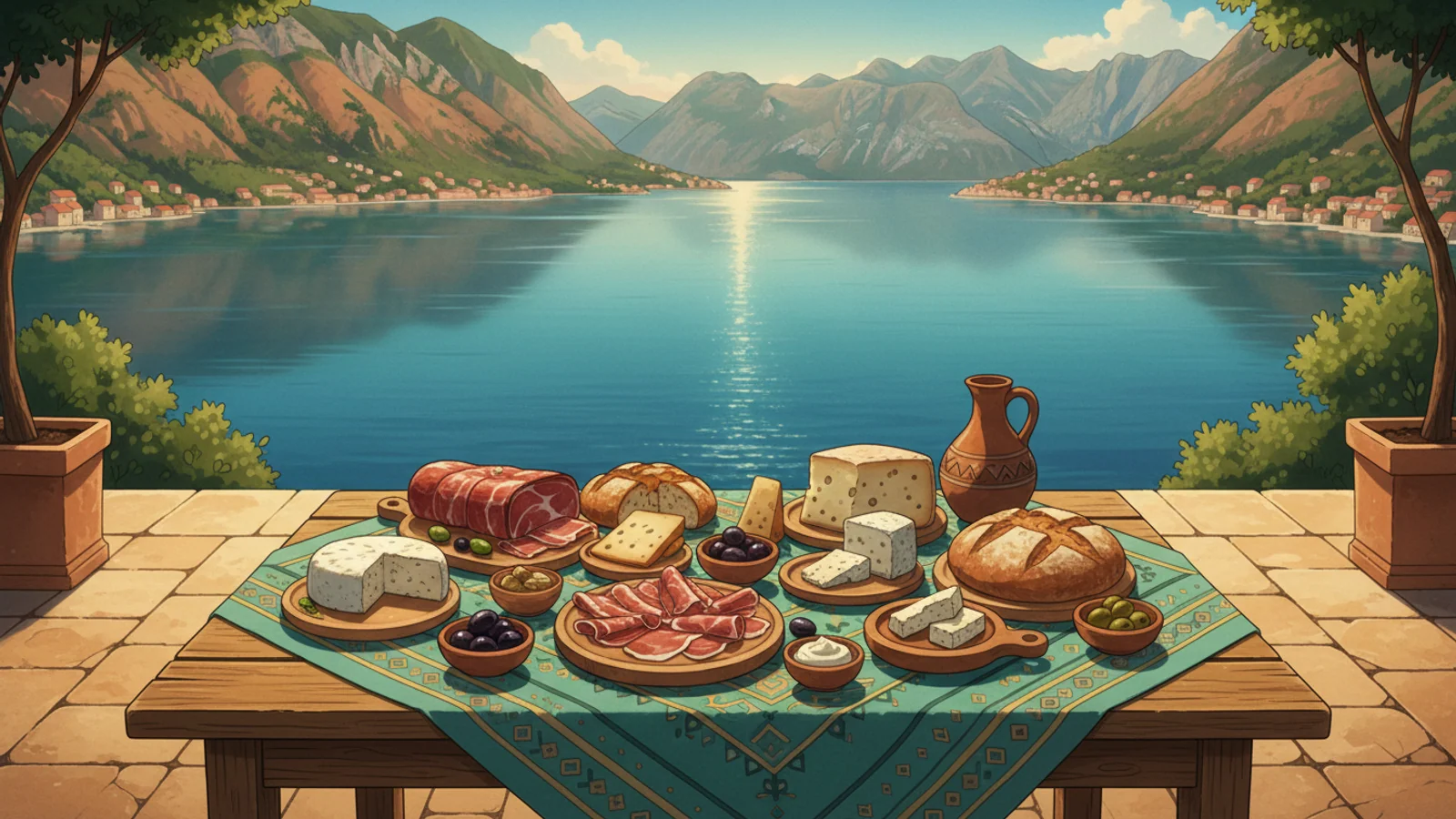
In Boka Kotorska, where the Adriatic Sea deeply carves into the mountain ranges, freshly caught fish and cured meats, prepared according to ancient recipes, can share the same table. This isn't merely culinary diversity; it's a reflection of a unique way of life where every ingredient tells a story, and meal preparation is a ritual that unites generations. Far from the hustle and bustle of popular promenades, culinary traditions are preserved that are rarely found on tourist menus. A distinctive feature is the harmonious coexistence of seafood and mountain-grown produce, dictated by the landscape and centuries-old customs.
Boka's Gastronomic Landscape: Where Mountains and Sea Meet
The Bay of Kotor, deeply indented into the land, has historically become a crossroads of two culinary worlds: the rugged mountain traditions and the generous coastal customs. This fusion has created a local cuisine where fresh fish and smoked meat delicacies coexist on one table, offering visitors a variety of flavors and aromas unique to this region.
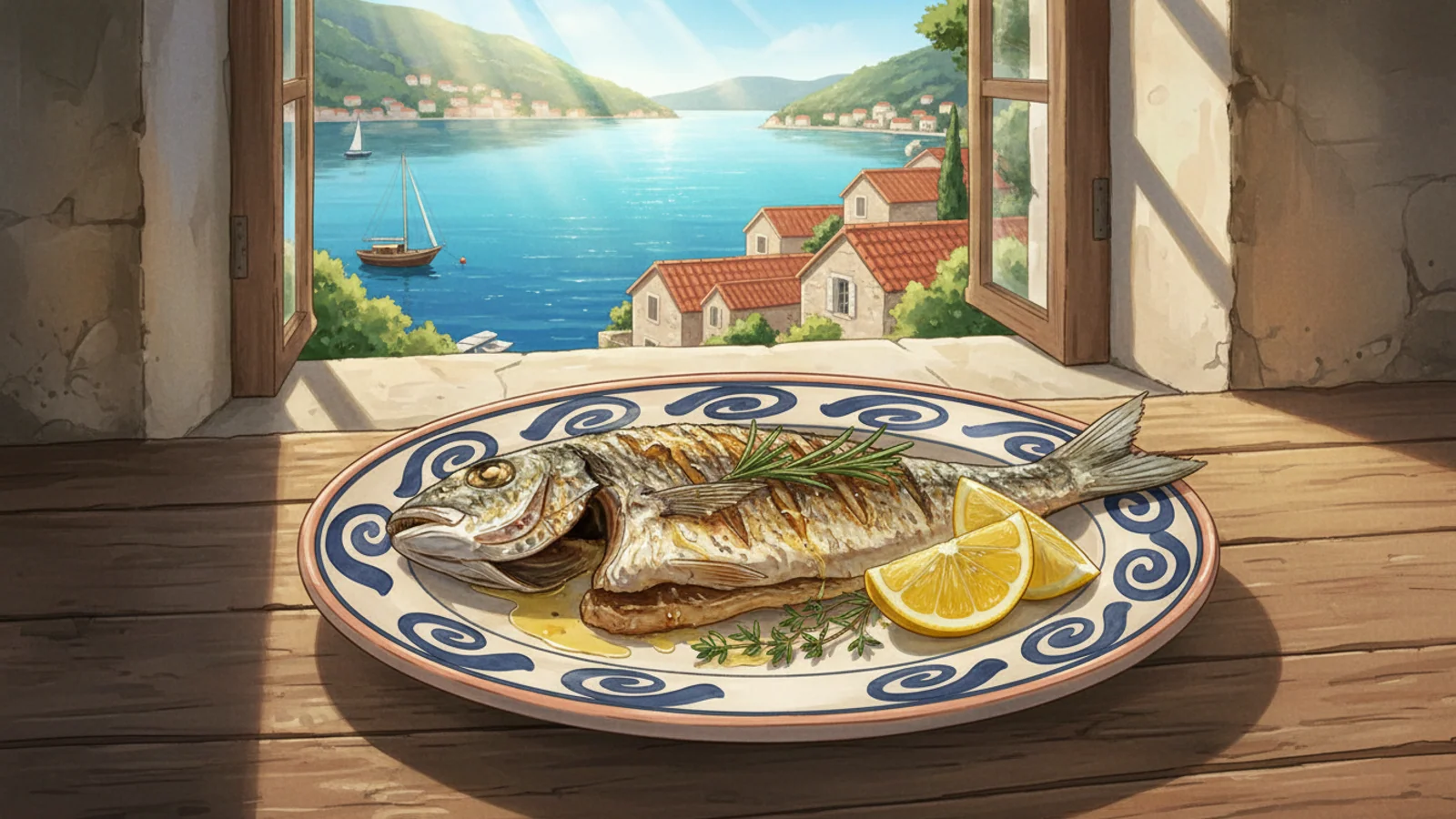
Boka's coastal cuisine is, naturally, rich in Adriatic bounty. Here, fresh seafood is valued and prepared with minimal intervention to preserve its natural taste. Grilled fish, octopus 'under the bell' (pod sačem), various types of shellfish and crustaceans – all are part of the coastal table, often complemented by local olive oils and herbs grown along the shore.
At the same time, the mountainous areas adjacent to Boka developed their own, more conservative gastronomy, based on livestock products and long-term preservation. This is the world of prosciutto, cheeses, dried sausages, and meat dishes that for centuries helped people survive in conditions less favorable for agriculture.
The intermingling of these two culinary traditions is evident in the use of common ingredients, such as olive oil and local herbs, as well as in the creation of dishes that combine elements of the sea and land. For example, in some recipes, fish might be served with smoked meat, or coastal spices might be added to meat dishes, creating unexpected but harmonious combinations.
Prosciutto and its Relatives: The Art of Curing Meat
Prosciutto is not just cured meat; it's the result of centuries of craftsmanship and patience. Its preparation is a complex process involving salting, pressing, drying, and long-term curing in mountain air, which imparts a unique aroma and a deep, rich flavor that distinguishes it from similar products in other regions. It is a key element of local gastronomy.
Beyond classic prosciutto, Boka offers other cured meat delicacies, each with its own specific character. Pečenica, for instance, is made from pork loin, which is also salted, smoked, and cured. It has a more tender texture and a less intense, but very expressive flavor, often served in thin slices as an appetizer.
Suva šija, or 'suvi vrat,' is cured pork neck. This product is characterized by a denser consistency and a rich, meaty flavor, often with subtle spicy notes that emerge from the use of spices during the salting phase.
These meat products are part of the region's cultural code. They are often served as an appetizer with local wine or rakija, becoming the centerpiece of any feast and a symbol of hospitality. Understanding the nuances of their preparation and tasting each type allows for a deeper appreciation of Boka's gastronomic traditions, especially in taverns offering homemade products.
Meat Delicacies: More Than Just Prosciutto
Boka's gastronomy isn't limited to prosciutto, though it is its signature product. Local traditions of curing and smoking meat extend to a wide range of products, each with its own characteristics and valued by connoisseurs.
Among other meat delicacies, you can find various types of homemade sausages, prepared from pork or beef with added spices, and then smoked or cured. Their recipes are often passed down through generations, preserving the authentic taste and character specific to a particular locality or even family, making them unique.
Some farms also offer smoked lamb or goat, which have a more pronounced, wilder flavor and aroma. These products are typically prepared in small quantities and are rare; their availability depends on the season and the capabilities of a specific producer, making them especially valuable for enthusiasts.
In addition to cured and smoked products, other meat dishes are popular in the mountainous part of the region, such as lamb or veal 'under the bell' (pod sačem) – slow-cooked meat in a special cast-iron pot under hot coals. This dish, though not cured, reflects the deep traditions of local meat cuisine and its connection to nature and slow cooking.
Fish and Seafood: The Freshness of the Adriatic
The cuisine of Boka Kotorska is unimaginable without the bounty of the Adriatic. Here, the freshness of the catch is prized, and the best dishes are prepared from fish that was swimming in the bay just that morning. Locals prefer simple but effective cooking methods that preserve the natural taste of the product, distinguishing their approach from more complex culinary traditions. This is the foundation of local gastronomy.
Often, fish is grilled, drizzled with olive oil, and seasoned with a little garlic and parsley. This classic method highlights the delicate flavor of white fish, such as sea bream or sea bass. In home cooking, complex sauces that might overpower the natural taste of fresh catch are rarely encountered, which is a key principle. Simplicity is valued here.
Seafood, such as shrimp, mussels, and squid, also holds an important place at the table. They are often prepared 'na buzaru' – a traditional sauce made with white wine, garlic, parsley, and tomato paste. This dish is served with crusty bread to soak up every drop of the flavorful sauce, which is part of a local ritual. This dish is a signature offering.
Beyond classic methods, one can also find rarer but equally delicious options, such as fish baked in salt. This method allows the fish to cook in its own juices, retaining maximum succulence and aroma. Such dishes are not always featured on standard menus, but they are worth seeking out in small, family-run establishments. This requires attentiveness.
Seasonality on the Table: What to Try Throughout the Year
Seasonality plays a key role in the home cooking of Boka Kotorska, determining the range of available products and, consequently, the composition of dishes. In spring, the first fresh vegetables and greens appear on tables, as well as young lamb, which is prized for its tenderness and special flavor, becoming the basis for many festive meals. This is a time of flavor renewal.
In summer, the abundance of fresh fruits and vegetables reaches its peak. During this period, light salads made from local tomatoes, cucumbers, and peppers, dressed with olive oil, are especially popular. Also in summer, dishes from fresh catches are actively prepared, when fishing is most productive, influencing the daily menu of coastal families. This is a period of lightness and freshness.
Autumn brings the harvest of grapes, figs, and pomegranates, as well as time for mushroom foraging in the mountainous areas. At this time of year, heartier dishes appear on tables, such as stews with vegetables or casseroles, which provide warmth on cool evenings.
Winter is the time for richer soups, stews, and dishes made from cured meats, such as prosciutto and pečenica, which are prepared in advance. Citrus fruits, ripening at this time, add freshness to the diet. Winter cuisine is distinguished by its nourishing qualities and ability to warm, reflecting the rugged yet beautiful landscapes of the region. This is a time for hearty meals.
Vegetables and Herbs: The Soul of Local Cuisine
Vegetables and wild herbs are an integral part of Boka Kotorska's home cooking, giving dishes their characteristic taste and aroma. Locals actively use what grows in their gardens and in the surrounding mountains, ensuring the freshness and uniqueness of each dish, distinguishing it from standardized restaurant fare. This is the foundation of the local table.
Widely used vegetables include tomatoes, eggplants, zucchini, and peppers, which are often baked, stewed, or added to salads. These simple ingredients, grown under the Mediterranean sun, possess a rich taste and aroma, becoming the basis for many traditional side dishes and standalone meals. Their taste is the taste of the region.
Wild herbs such as rosemary, thyme, oregano, and bay leaf are gathered in the mountains and along the coast. They are used to add depth of flavor to meat and fish dishes, as well as to aromatize olive oil. These herbs are not just spices; they are part of the cultural heritage and gastronomic identity of the region. They shape the character of the dishes.
Garlic and parsley are practically essential components of most dishes, from simple salads to complex meat and fish delicacies. Their combination creates a recognizable Mediterranean accent that is evident in many of Boka's culinary traditions, emphasizing the simplicity and naturalness of local gastronomy. It's hard to imagine local cuisine without them.
Cheese and Dairy Products: Mountain Traditions
The mountainous areas of Boka Kotorska, especially those bordering Orjen, are known for their dairy products. Away from the coast, cheese recipes have been developed here for centuries, forming the basis of the diet. The variety is due to livestock breeds and aging methods passed down through generations, creating a unique flavor profile for each product.
Among the local specialties is kajmak, a thick cream, served fresh or lightly salted and aged. It is often offered with prosciutto or as an accompaniment to meat dishes. Young cheese, with its delicate texture and mild flavor, suitable for light appetizers or breakfast, is also popular, reflecting the simplicity and freshness of mountain cuisine.
Aged cheeses, known as 'old' cheese, are characterized by a firm consistency and a rich, sometimes sharp taste. They are produced from cow's, sheep's, or goat's milk, which gives each type its own characteristics. These cheeses pair well with local wine and olives, forming a complete gastronomic composition of the region.
In addition to cheeses, homemade sour milk and yogurts are found in Boka's mountain cuisine. They are not only important in the diet but are also used in traditional sauces and baked goods. These products add a characteristic tang and freshness to dishes, emphasizing the authenticity and connection to nature of this area.
The Ritual of Dining: More Than Just Food
In Boka Kotorska, a meal is not just about eating; it's a social ritual where food serves as an occasion for communication and strengthening bonds. Not only family members gather at the table, but also friends, neighbors, and sometimes even случайные guests, who are warmly invited to share the feast. This is a manifestation of local hospitality.
Long feasts with an abundance of dishes and drinks, accompanied by unhurried conversations and jokes, are part of the local culture. Here, speed is not valued, but rather the process itself: enjoying every bite, every sip of wine, every word. This allows one to experience the local way of life, its unhurried pace and depth.
Often at the table, news is discussed, stories are shared, and events are planned. Food becomes a backdrop for lively communication, not an end in itself. This is especially noticeable in small family-run establishments, where hosts might join guests, offering to try something special or tell the story behind a dish.
Such rituals create a sense of warmth and comfort, allowing guests to feel part of the local community. It's an opportunity not only to taste authentic dishes but also to understand the region's daily life, its traditions, and values through the prism of gastronomic interaction that goes beyond a typical dinner.
What's Not Always on the Menu: Home Secrets
Unlike tourist restaurants where menus are standardized, in Boka Kotorska's home-style establishments, some authentic dishes might not appear on the printed list. This is due to the seasonality of ingredients, the availability of fresh produce, or the dish being prepared for a special occasion or at the host's discretion.
For example, certain types of homemade pasta, special meat stews, or unique desserts might only be available on specific days or by prior arrangement. Their preparation requires time and fresh ingredients that are not always on hand, so they are not included in the establishment's permanent menu.
To inquire about such 'secret' dishes, it is recommended to speak with the host of the establishment. They can tell you what was prepared fresh that day or offer something special that isn't on the menu. This allows for a personalized gastronomic experience, different from the standard offering.
This approach to cuisine emphasizes its homemade character and adherence to traditions. It's not just a business, but a continuation of family customs, where food is prepared with attention to detail. The willingness to ask the host about the availability of such dishes opens the way to the region's most authentic flavors.

Beverage Selection: From Wine to Rakija
A meal in Boka Kotorska is unimaginable without local beverages that complement the flavor palette of the dishes. Homemade wine is an integral part of the feast. Here, you'll find light white wines suitable for fish and seafood, as well as rich red wines that pair perfectly with meat delicacies.
Rakija, a strong alcoholic drink distilled from fruits, holds a special place in the region's culture. It is served as an aperitif to stimulate the appetite or a digestif after a hearty meal. The variety of rakija includes grape lozovača, plum šljivovica, pear kruškovača, and quince dunjevača, each possessing its own aroma and character, highlighting local craftsmanship.
In addition to alcoholic beverages, Boka values homemade lemonades made from fresh citrus grown in local gardens. They are refreshing on a hot day and serve as an accompaniment to light snacks. Herbal teas, gathered in the mountains, are also popular, possessing a pleasant taste and beneficial properties passed down through generations, emphasizing the connection to nature.
The choice of beverages often depends on the season and the specific occasion. In summer, light and refreshing options are preferred, while in colder months, stronger drinks and rich red wines are more common on the table. This reflects the deep connection of local gastronomy with natural cycles and traditions, forming a unique gastronomic experience.
Culinary Surprises: What the Host Might Offer
In establishments focused on home cooking, the menu often serves merely as a starting point. True gastronomic discoveries happen in dialogue with the host, who might offer dishes not listed. These could be seasonal delicacies, prepared from the freshest ingredients available only that day or week, making each visit unique and unpredictable.
The host can share insights into the origin of ingredients, specific preparation methods, and even family recipes. For example, they might suggest trying a special type of cheese made only in their village, or homemade pasta with a unique sauce whose recipe has been passed down through generations, adding a special flavor and depth to the meal.
This approach allows guests to delve deeper into the local culture and feel not just like visitors, but welcome guests. It's an opportunity to taste what the locals themselves eat, rather than what is designed for the mass tourist.
Therefore, when visiting places with home cooking, it's always worth asking the host what they can offer 'off the menu.' This is not only a chance to try something exclusive but also an opportunity to establish a more personal connection, which is often an integral part of local hospitality culture and makes lunch or dinner a memorable event.
Seeking Authenticity: How to Find Genuine Flavors
To find the genuine flavors of Boka, it's worth venturing off the beaten tourist paths. Often, the most authentic establishments are located in small villages or on the outskirts of towns, where the cuisine caters to locals. Pay attention to places where locals gather; this is a good indicator of the quality and authenticity of the dishes and atmosphere, signaling local popularity.
Talking to locals can be the best guide. They are often happy to share information about their favorite spots where food is prepared according to old recipes and ingredients come from their own farms. Such recommendations often lead to culinary discoveries that cannot be found in standard guidebooks or online resources, offering a unique experience.
Look for establishments that pride themselves on their local products. These might be small family-run taverns where meat is cured in-house, cheese is made from their own animals' milk, and vegetables are grown in their gardens. Such places often have a limited menu, but every dish will be prepared with attention to tradition, guaranteeing high quality and a unique taste.
It's also important to pay attention to seasonality. True home cooking always follows the rhythm of nature. If you are offered dishes made from seasonal products, it speaks to the freshness of the ingredients and adherence to traditions. Don't hesitate to ask about the origin of products; this will help distinguish an authentic establishment from those solely focused on tourists, and help you find genuine flavors.
Frequently asked questions
What is the difference between prosciutto and pečenica in Boka Kotorska?
Prosciutto is a whole pork leg that undergoes a long process of curing and smoking, acquiring a characteristic deep flavor and aroma. Pečenica, on the other hand, is made from pork loin or fillet, also cured, but typically has a more tender texture and less intense flavor than prosciutto. The differences are due to the raw material used and the nuances of the preparation technology.
What seasonal products are most characteristic of Boka's home cooking?
Seasonality plays a key role in Boka's home cooking. In spring, it's young greens, fresh vegetables, and the first fish catches. Summer brings an abundance of tomatoes, peppers, eggplants, and various fruits. In autumn, pumpkin, mushrooms, and new harvest products appear on the table. Winter is traditionally associated with cured meats, sauerkraut, and citrus fruits, reflecting local agricultural cycles.
Are traditional meat and fish dishes always available on the menu?
The availability of traditional dishes, especially those prepared according to homemade recipes or requiring a lengthy process, can vary. Fish dishes depend on the catch, and some meat delicacies, such as prosciutto or pečenica, require time to mature. Therefore, not all dishes mentioned in guidebooks may be consistently available, especially in small establishments focused on fresh products.
What drinks are traditionally served with homemade dishes in Boka?
Local drinks are traditionally served with homemade dishes in Boka. These are primarily Montenegrin wines – both red and white, often from indigenous grape varieties. Rakija, a strong alcoholic drink distilled from fruits, which can be homemade, is also popular. Homemade juices or water from local springs are often offered with meals, emphasizing the naturalness and authenticity of the dining experience.
How can I find out about dishes not on the main menu?
In establishments focused on home cooking and fresh products, the assortment can change daily. The best way to find out about 'secret' dishes or those not listed on the main menu is to speak directly with the host or staff. They are often willing to share information about seasonal specials, unique preparations, or dishes available only 'by request' or in limited quantities.
The gastronomic landscape of Boka Kotorska is a living reflection of centuries of coexistence between coastal and mountain traditions. Here, the flavors of the Adriatic intertwine with the aromas of the Balkans, creating a unique palette where fish coexists with cured meats, and fresh vegetables complement hearty cheeses. Understanding this cuisine requires attention to detail: seasonality, the origin of ingredients, and even the rituals of dining.
Sources and further reading
Plan your visit
Planning a trip to Orjen or interested in visiting Taverna Domestic? Contact the host directly to confirm current options and agree on the details in advance.
Send an enquiry